病人直接訂購
賺取收益分成。
病人透過診所專屬 QR 碼或代碼下單,包括再次訂購,診所均可賺取收益分成。Haro Health 負責出貨及顧客服務。
診所控制台顯示銷售、再次訂購及預計付款,並提供管理收款方式及稅務表格的工具。
探索收益分成
 US · USD
 美國 (USD
$)
美國 (USD
$)
眼科專業人員專區
探索配方、了解診所收益機會,並申請免費入門套裝。
免費入門套裝及臨床資訊。美國境內免運費。申請會在出貨前審核。
診所合作機會
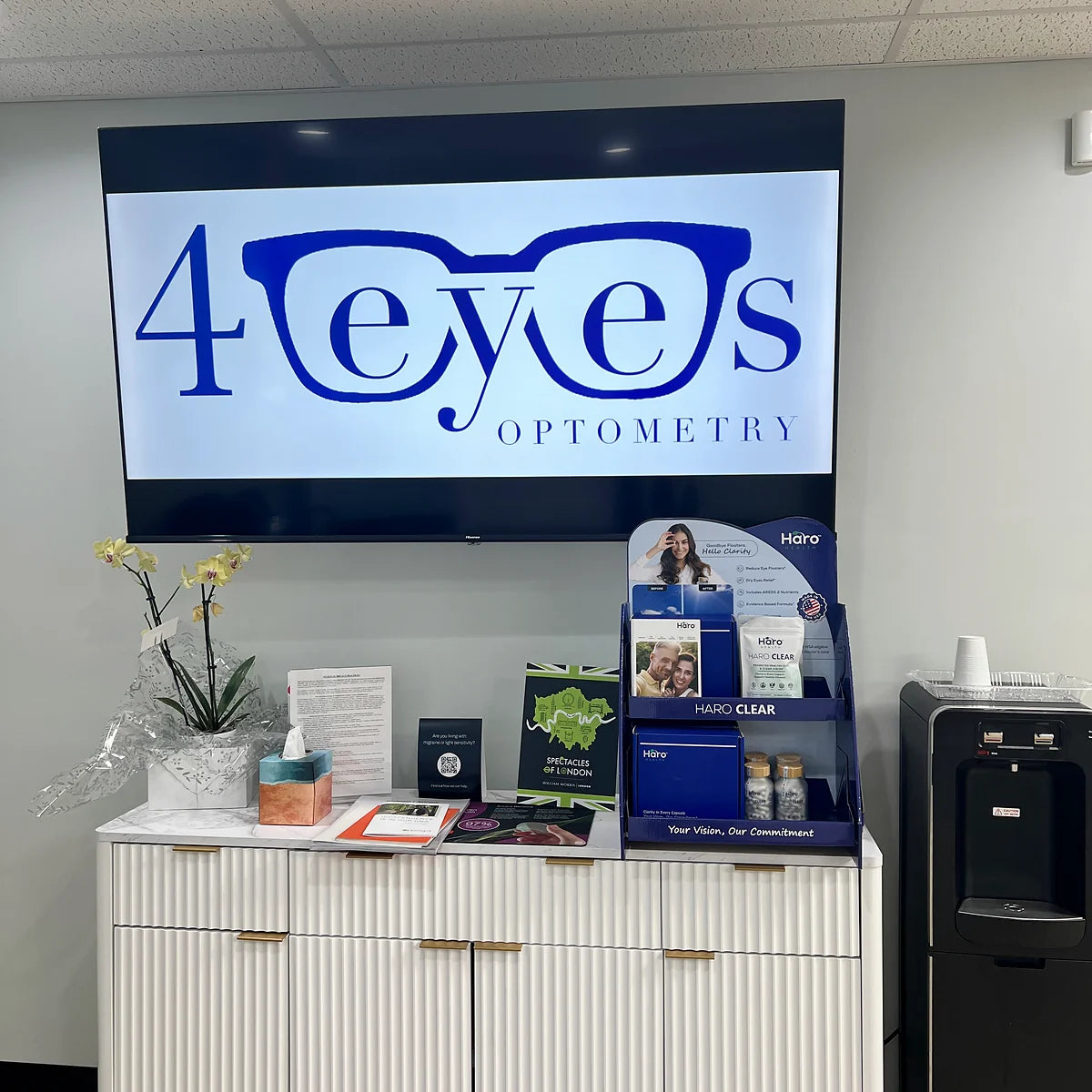
透過病人直接訂購賺取收益分成,或透過診所內銷售賺取零售利潤。選擇適合您團隊的方式。
收益取決於雙方同意的計劃條款及實際銷售。
評估 Haro Clear
每日兩粒膠囊,結合水果酵素、特定微量營養素、葉黃素及玉米黃素。
請結合每位病人的藥物、補充品及病歷,查閱完整標籤。
研究包括特定成分及其他配方的研究。研究頁面說明了它們與 Haro Clear 的相關性。
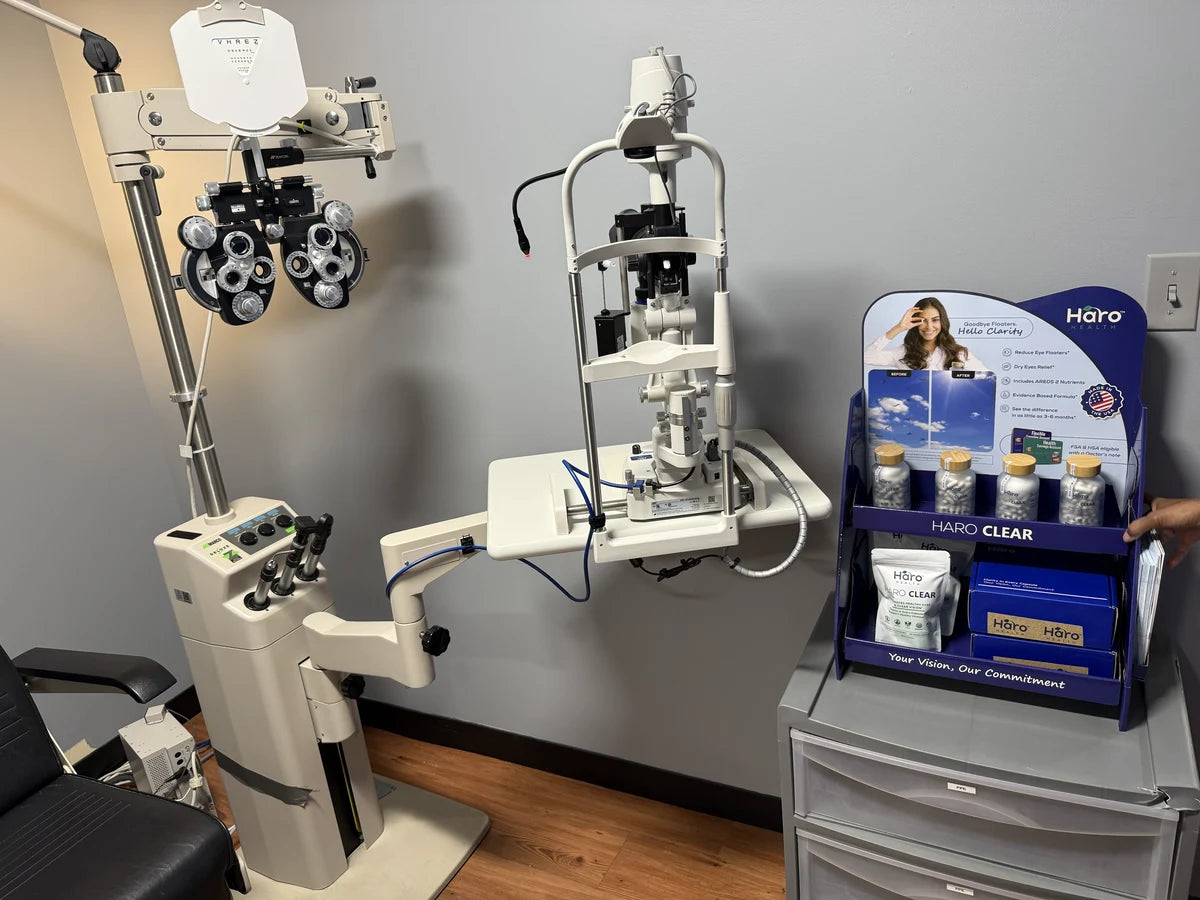
在您的診所試用
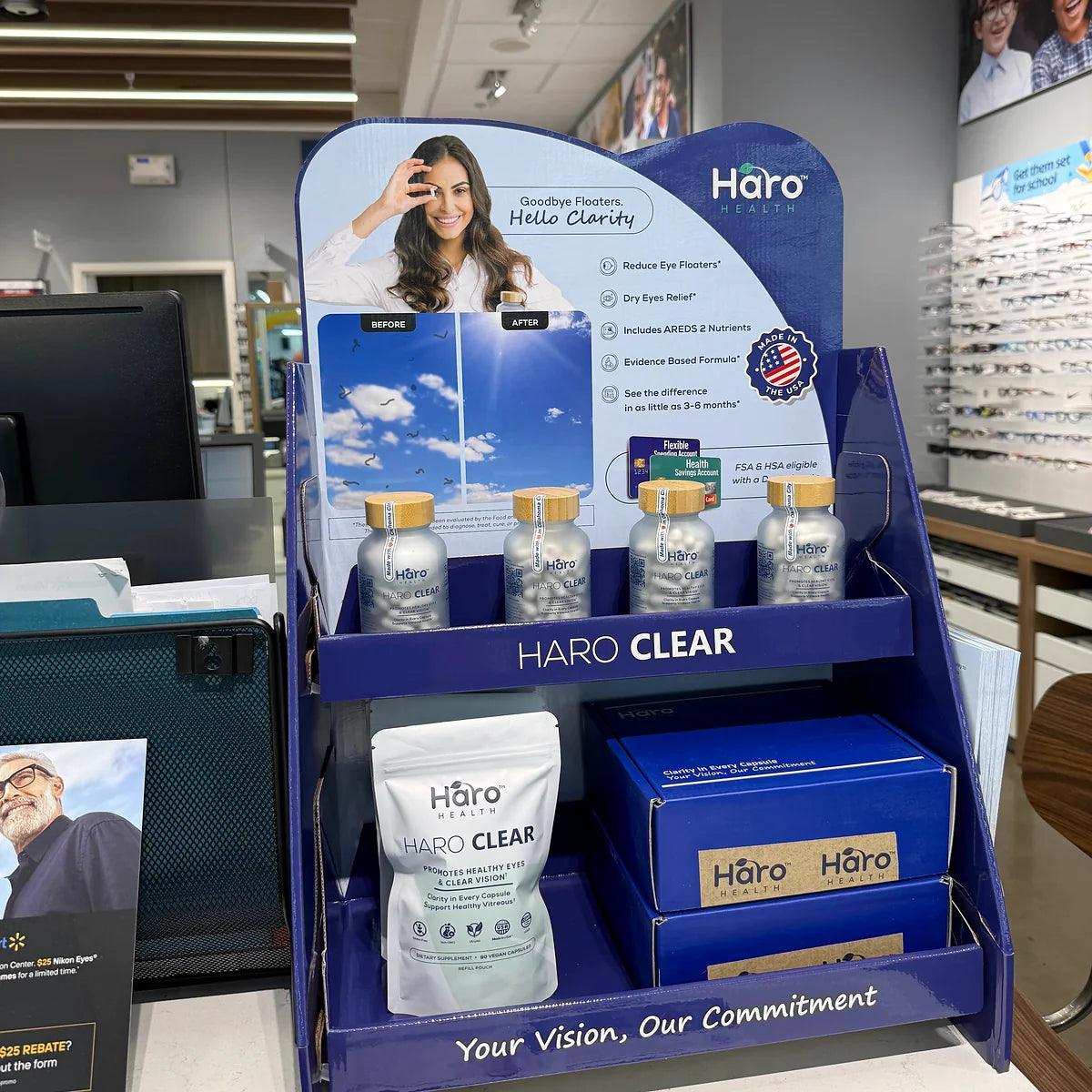
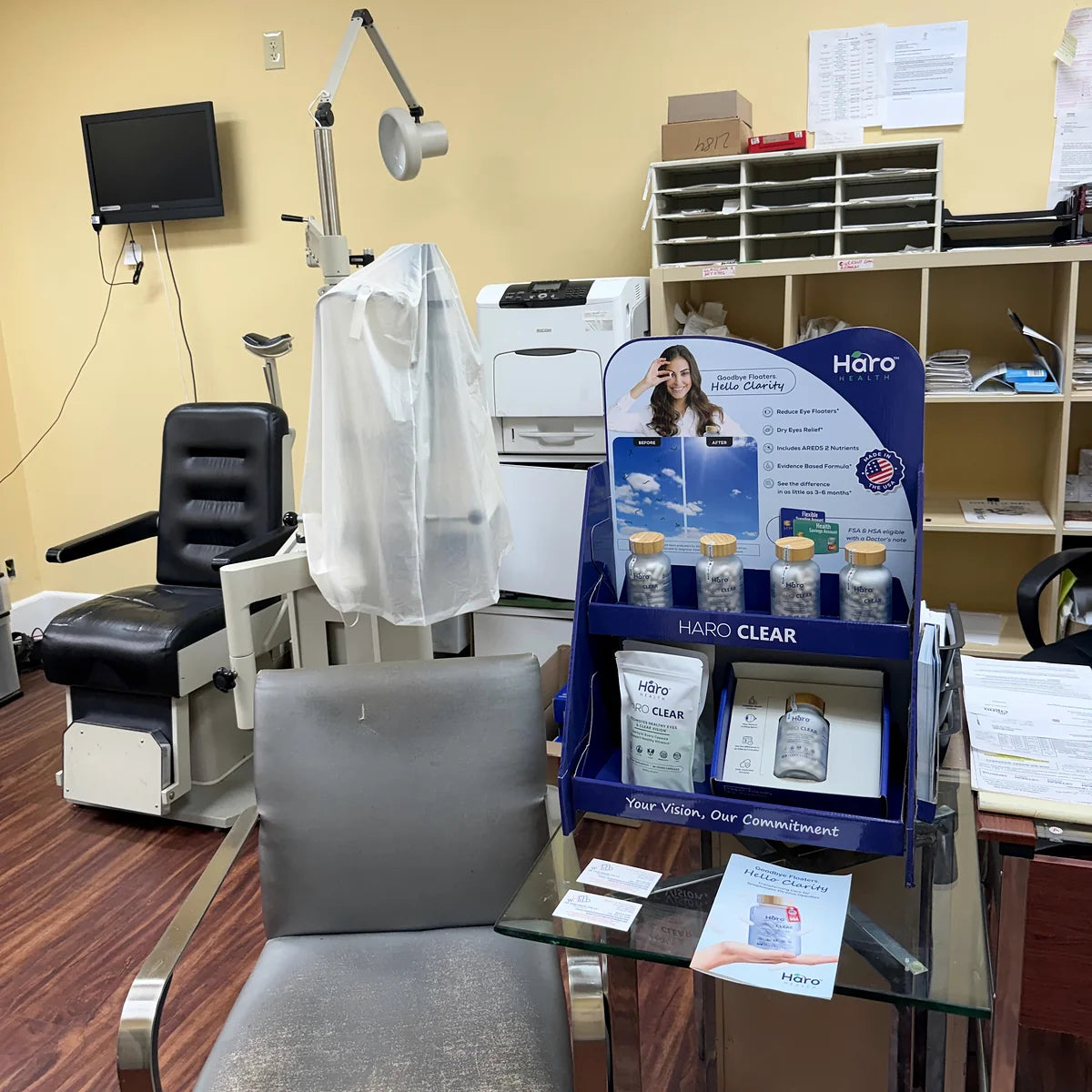
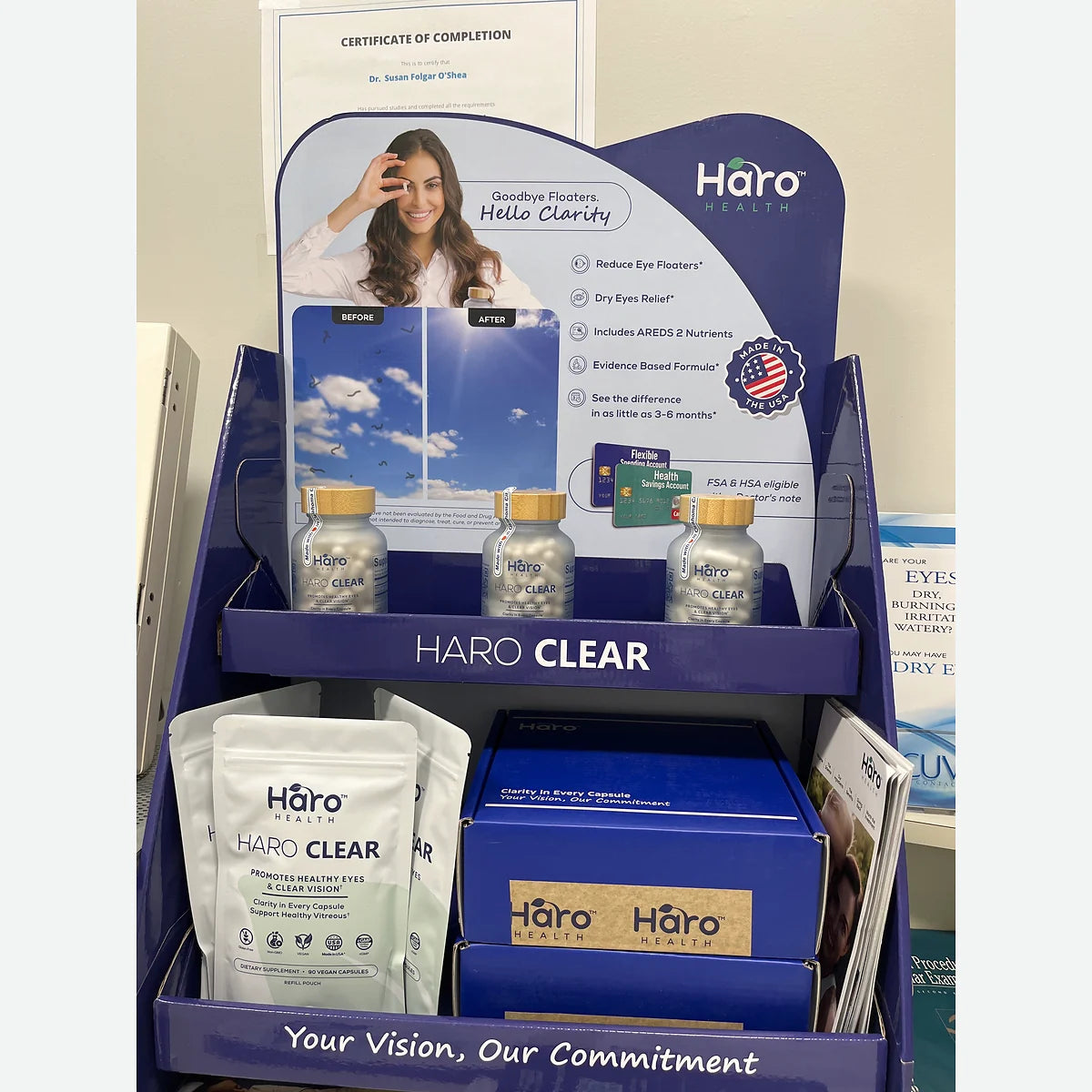
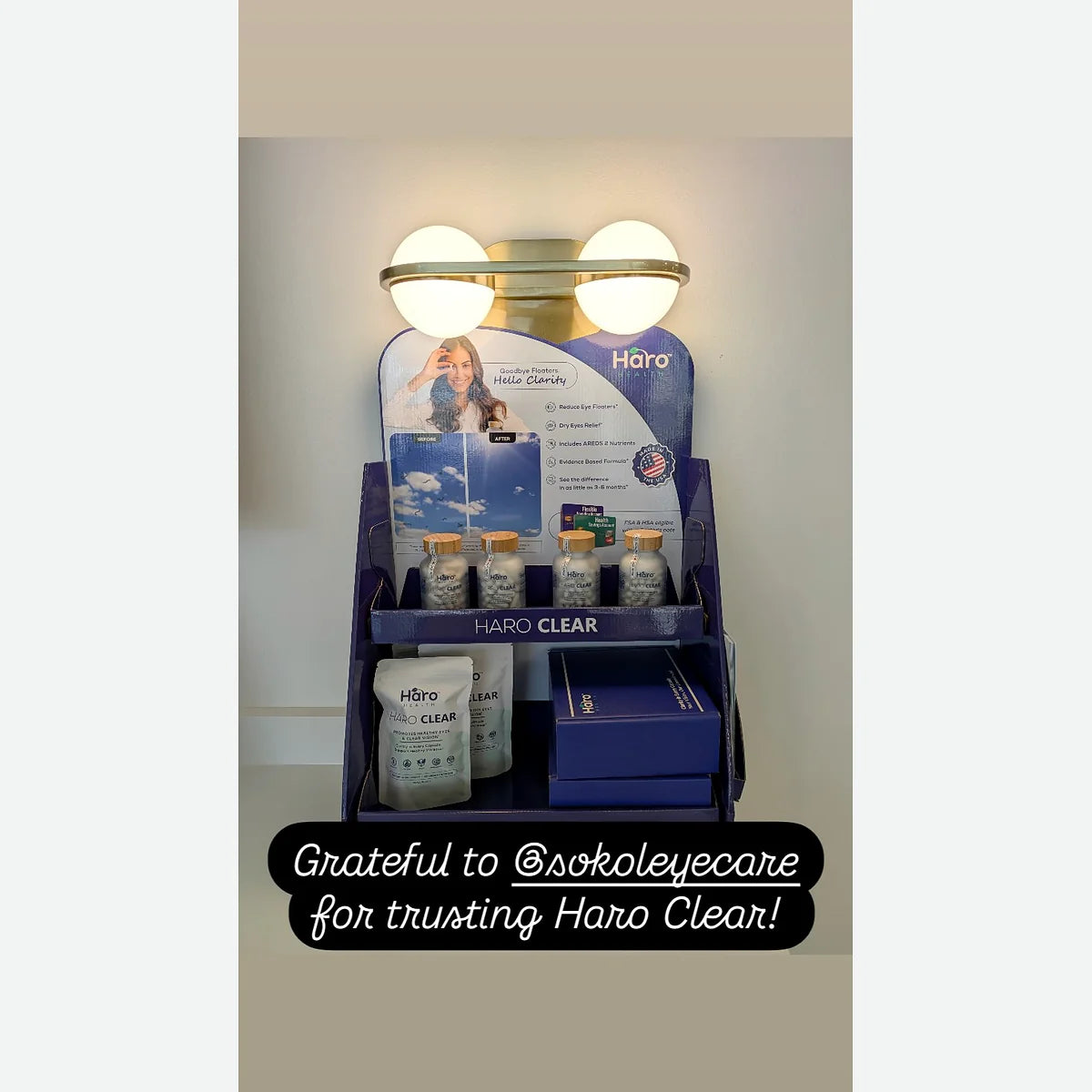
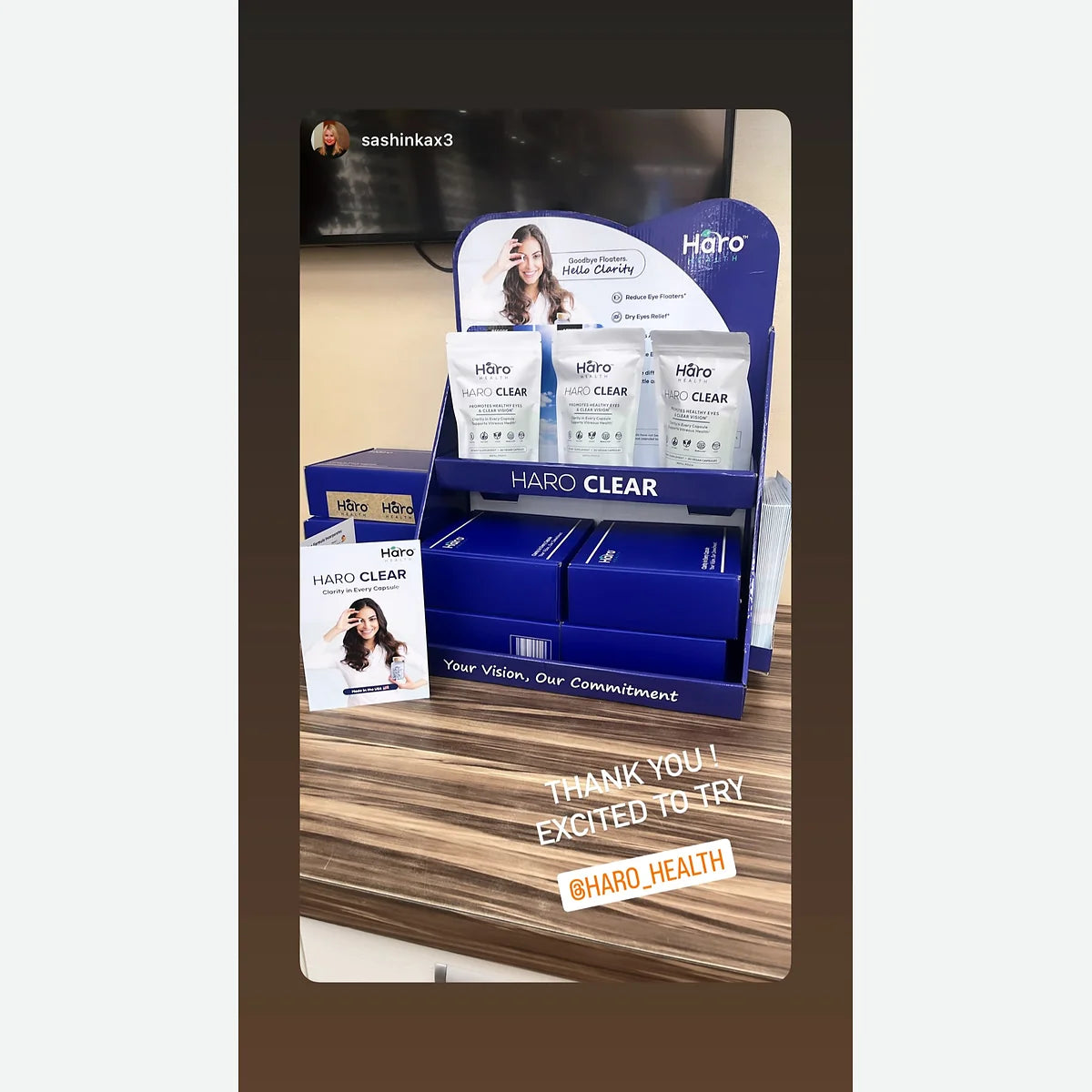
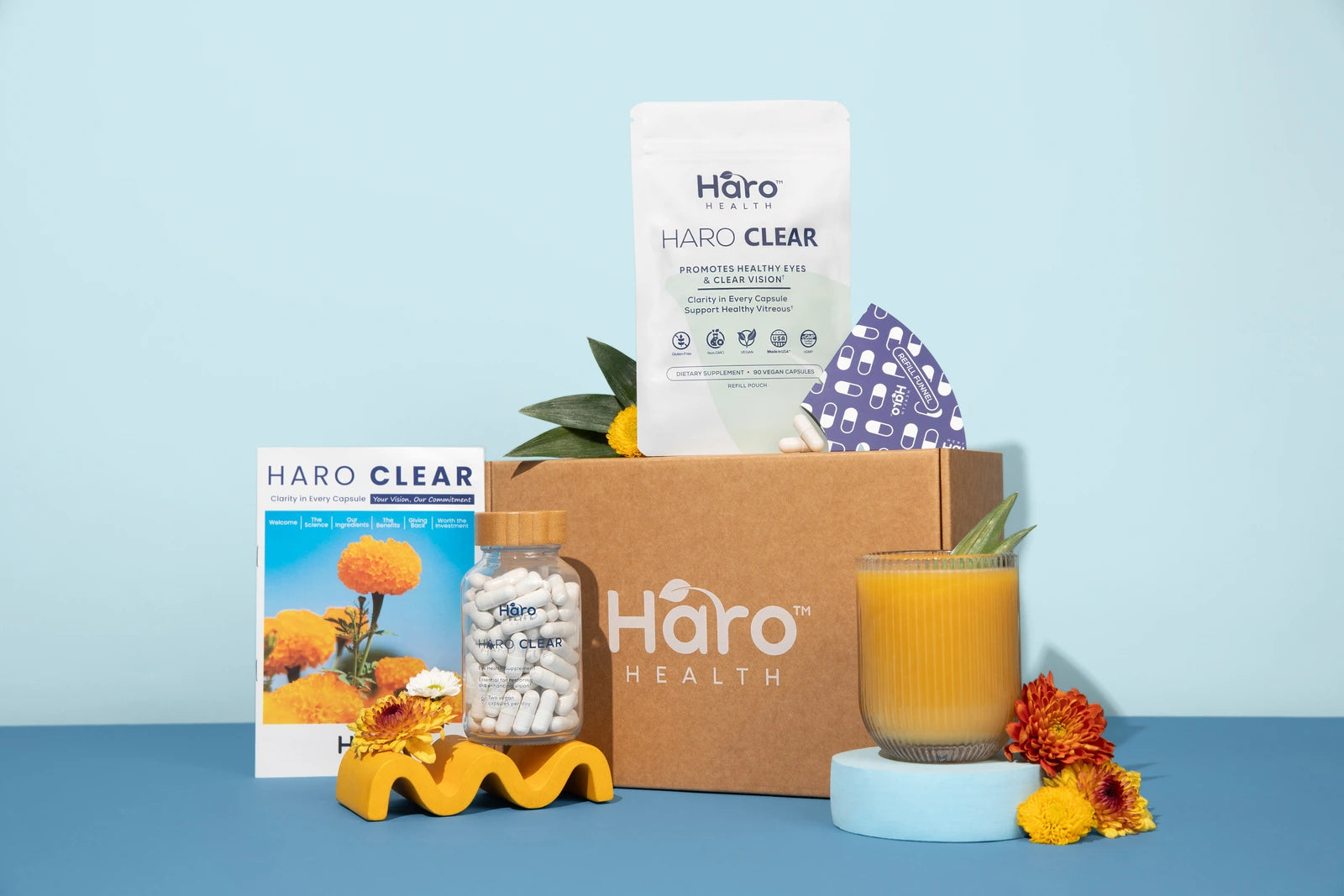
您將收到兩袋密封補充裝、可重用瓶子、漏斗、入門資料及臨床資訊。
我們的團隊會審核每份申請。獲批後,套裝出貨時您會收到追蹤資料。毋須購買或承諾合作。您亦可在同一表格查詢合作事宜。
申請免費診所樣品美國境內免運費。國際診所須支付運費、海關費用及進口關稅。
Earn revenue share on patient orders through your practice-specific QR code or code, including repeat orders. Haro Health handles fulfillment and customer support, so you do not need to stock inventory.
Alternatively, purchase at wholesale pricing and earn a retail margin on in-clinic sales. Discuss the options for your practice; our team will explain rates and program terms before you join.
Clinics in the revenue-sharing program can review sales attributed to their practice, patient purchasing and repeat-order trends, and the expected amount of their next payout.
Your dashboard also lets you manage your payment method and tax forms in one place. Payouts follow your agreed program terms.
Two capsules provide bromelain 600 mg, papain 300 mg, L-lysine 130 mg, hesperidin 100 mg, vitamin C 40 mg, grape seed extract 30 mg, zinc 5 mg, lutein 4 mg, and zeaxanthin 4 mg.
View Supplement Facts and the original label for ingredient forms, enzyme activity, and complete ingredient information.
Take one capsule in the morning and one in the evening with a meal, as directed on the label. A 90-capsule refill pouch provides 45 days at two capsules daily.
Haro Clear is intended for adults seeking a consistent daily eye nutrition routine. Review the patient’s history, current supplements, and complete product label to determine suitability. It complements a nutrition discussion and does not replace an eye examination or prescribed care.
Review the complete ingredient label alongside the patient’s medications, supplements, allergies, medical history, and any planned procedures. Assess pregnancy or breastfeeding individually before recommending use. The full label and daily amounts are available in our Supplement Facts.
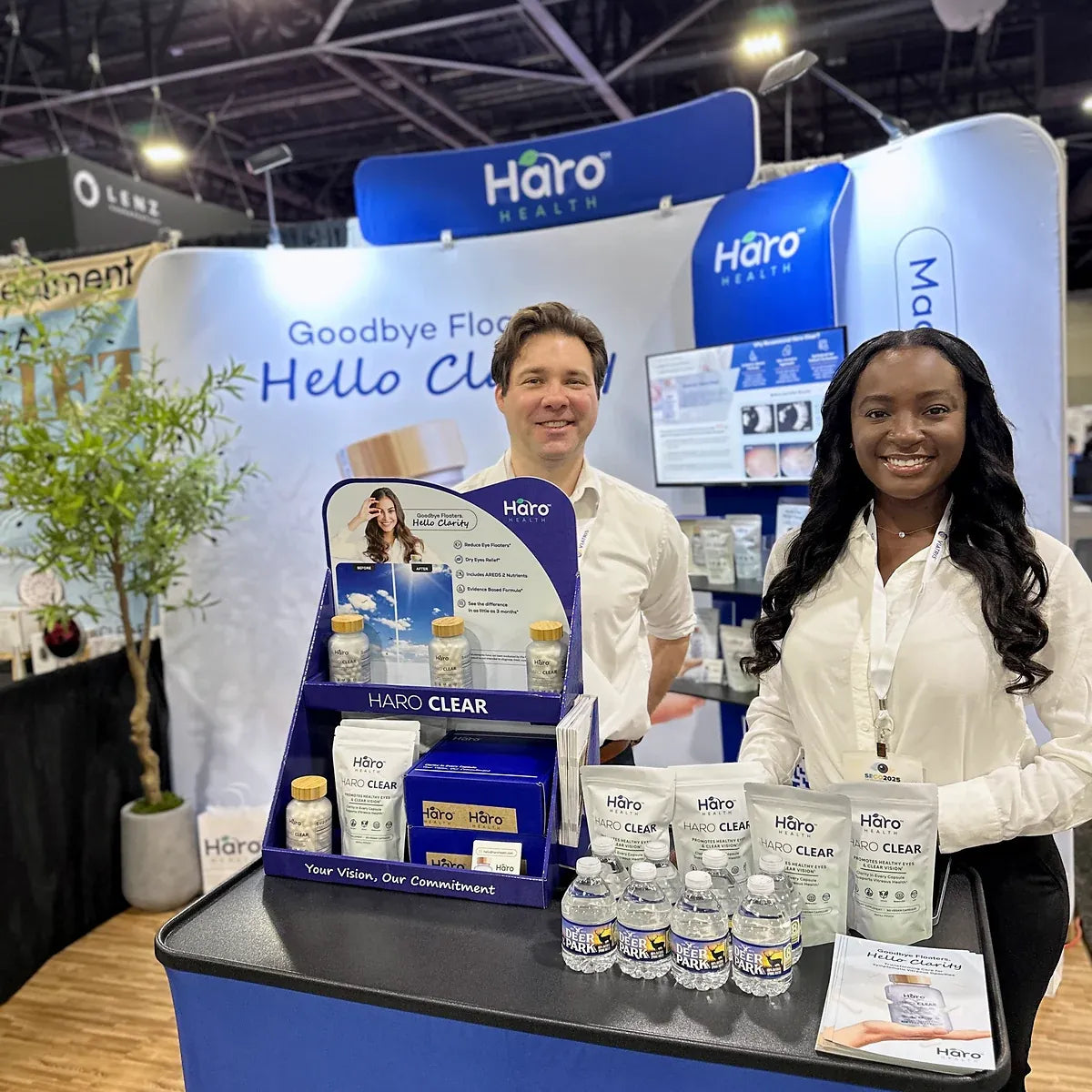
The Starter Kit includes two sealed refill pouches (180 capsules in total), a reusable glass bottle, a funnel, and getting-started materials. We also provide clinical information to support your practice’s evaluation.
Healthcare professionals and authorized clinic or optical business staff can request a kit. No purchase or partnership commitment is required.
Our provider team reviews your request and emails you with next steps. If approved, you’ll receive tracking details once your Starter Kit ships.
U.S. kits and shipping are free. For international clinics, the kit is free; we arrange shipping payment by email before dispatch. Your clinic is responsible for customs and import duties. Delivery availability is confirmed during review.
Apply through our clinic partnership form to discuss setup, current wholesale pricing, minimum orders, and program terms. Pricing is available once your wholesale account is approved.
For reorders, patient brochures, displays, or account support, contact our provider team.
For Hong Kong, contact our distributor, Infinity Medical, at haroclear@infinitymedhk.com for local clinic purchasing information. For other markets, contact our provider team to discuss availability and local ordering options.
Contact our provider team with the product lot number, purchase details, and a description of the concern. If a patient feels unwell after taking Haro Clear, advise them to stop use and seek appropriate clinical assessment. Avoid sending identifiable patient information in this form.